‘we protect what we have learned to notice’: jon mccormack’s photographic exploration
the artist explores nature's hidden geometries, from glacial rivers to microscopic organisms, through photography and conservation.
prefer designboom on google[FEATURED]
wind and water create their own abstract compositions
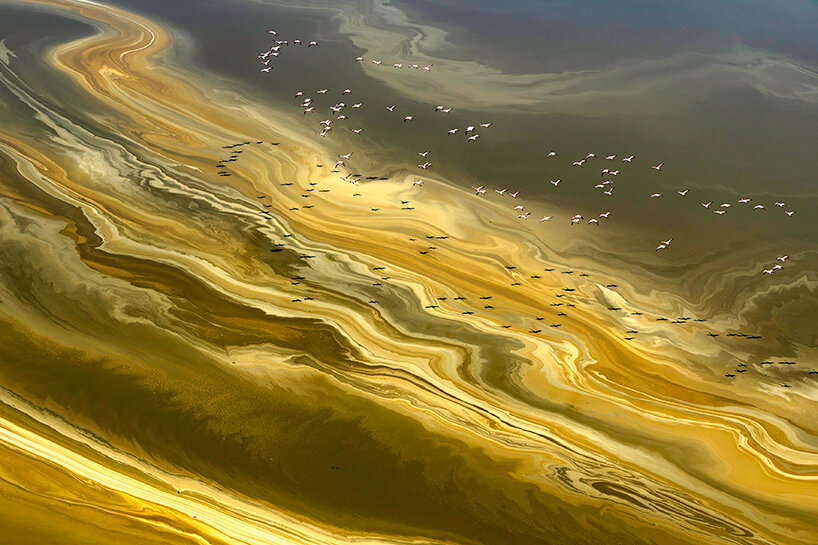
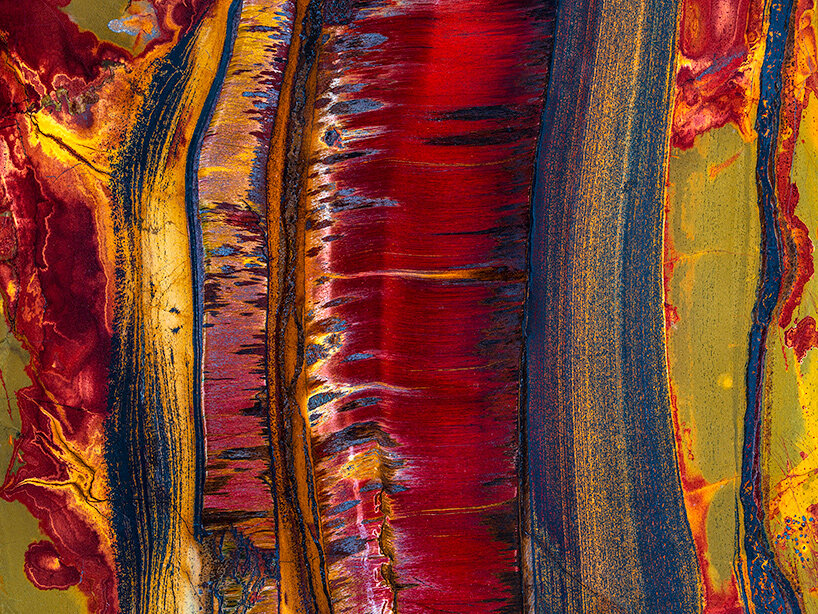
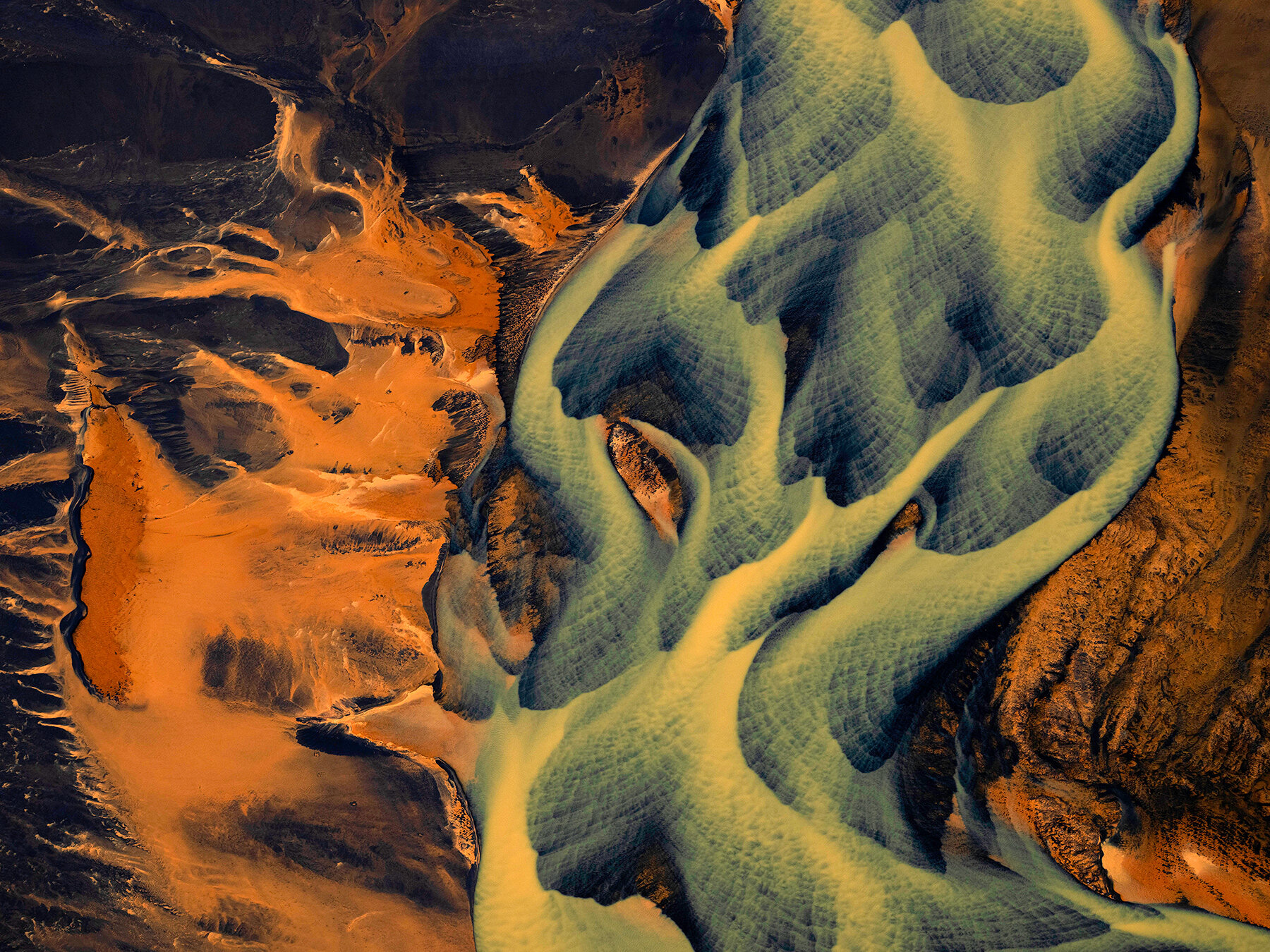
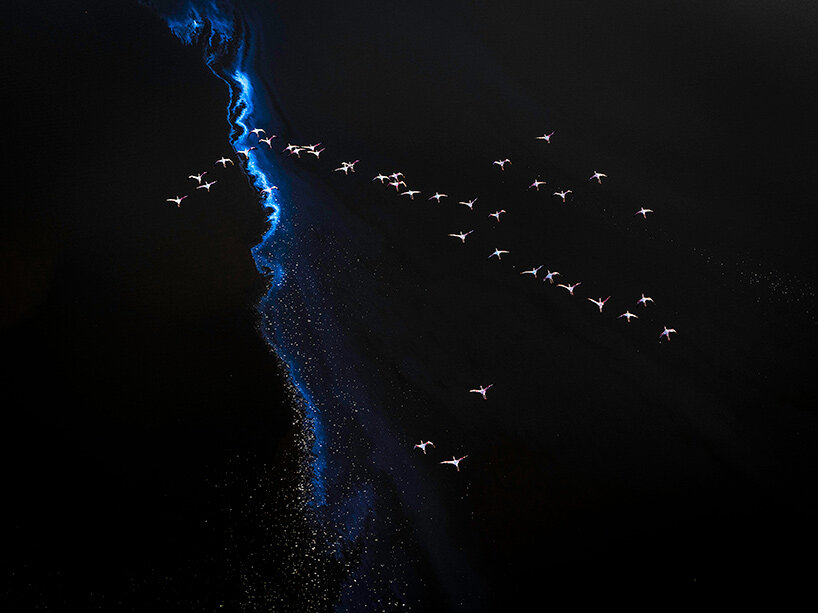
Photographer Jon McCormack captures flamingos flying above wide bands of molten yellow across Kenya’s Lake Magadi. Here, wind and algae have transformed the water into something like an abstract painting, with delicate white silhouettes scattered across its surface. In Iceland, glacial rivers carve pale green channels through orange volcanic sand. A slice of tiger’s eye from Western Australia reveals layers of deep red and gold. Each composition has its own geometry, and it’s entirely shaped by natural processes.
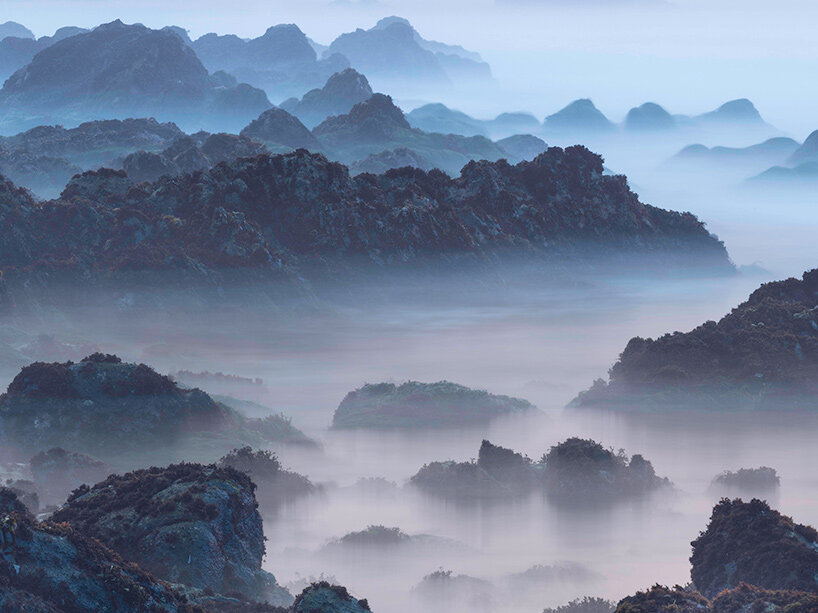
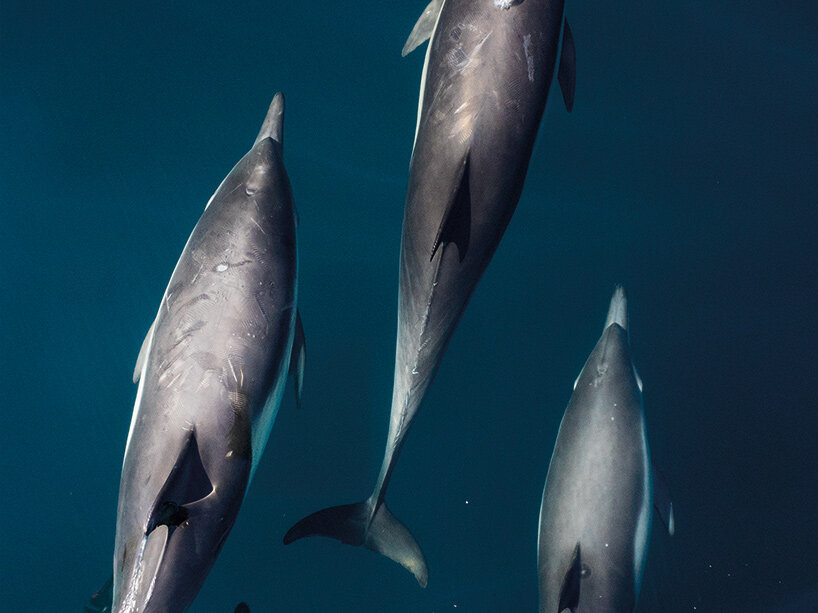
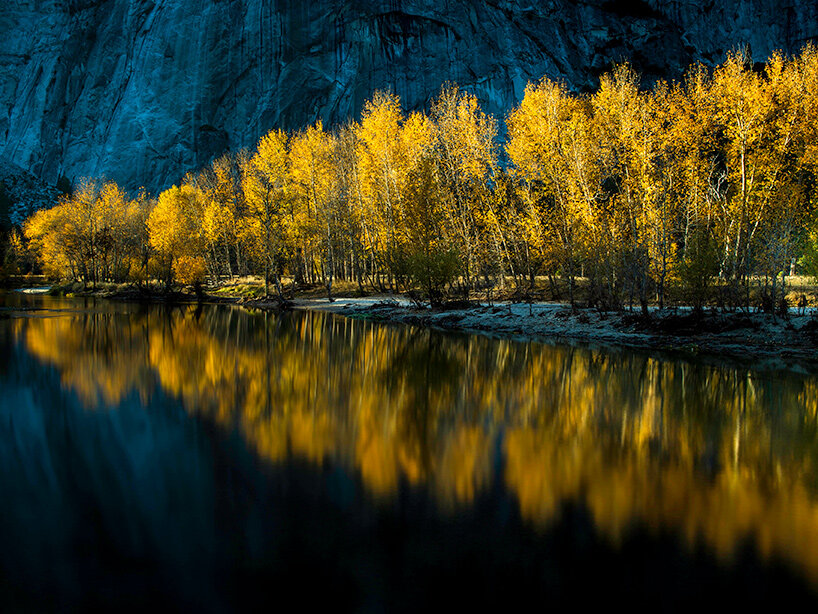
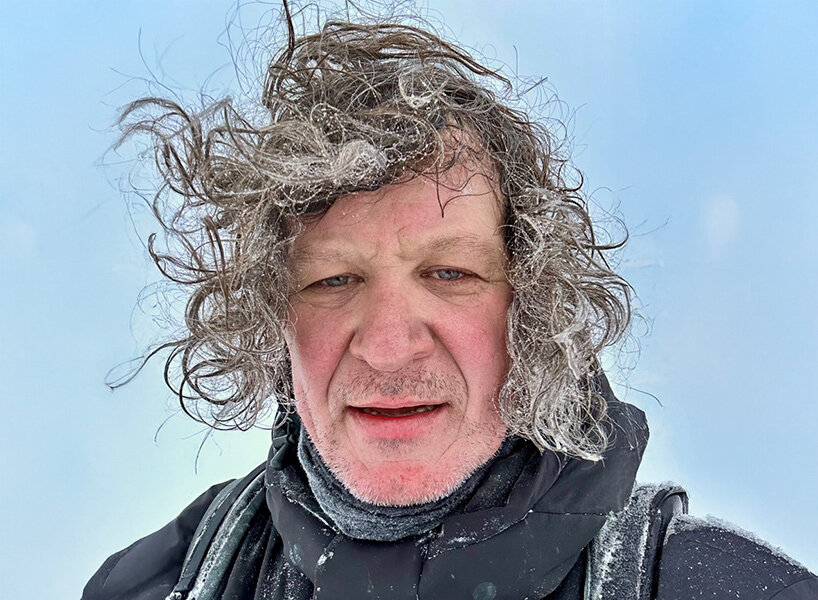
These formations appear throughout Patterns: Art of the Natural World, a photography book published by Damiani. Over five years, the Australian-born photographer traveled across seven continents to document recurring shapes in landscapes and living organisms. His subjects range from the crystalline structures of microscopic algae to the immense folds of Antarctic ice.
‘The more I looked, the more I realized that nature has a remarkable visual vocabulary, and that learning to recognize it completely changes how you experience the world,‘ McCormack tells designboom. His imagery explores the structures that emerge as water moves through sediment, minerals accumulate over time, or living organisms grow into intricate formations. The collection offers a visual study of the natural world as an active maker of form.
a familiar california beach inspired five years of exploration
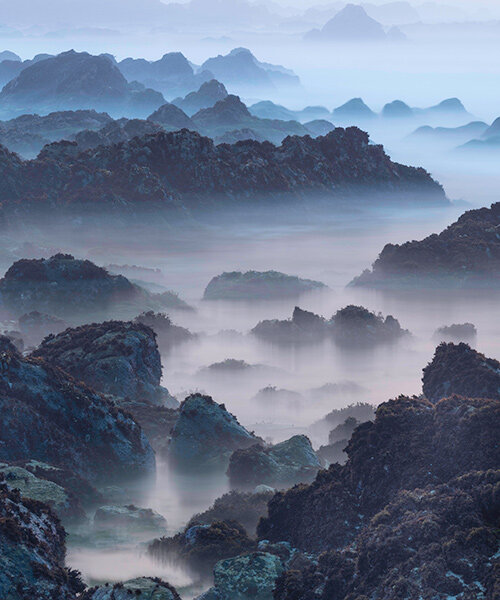
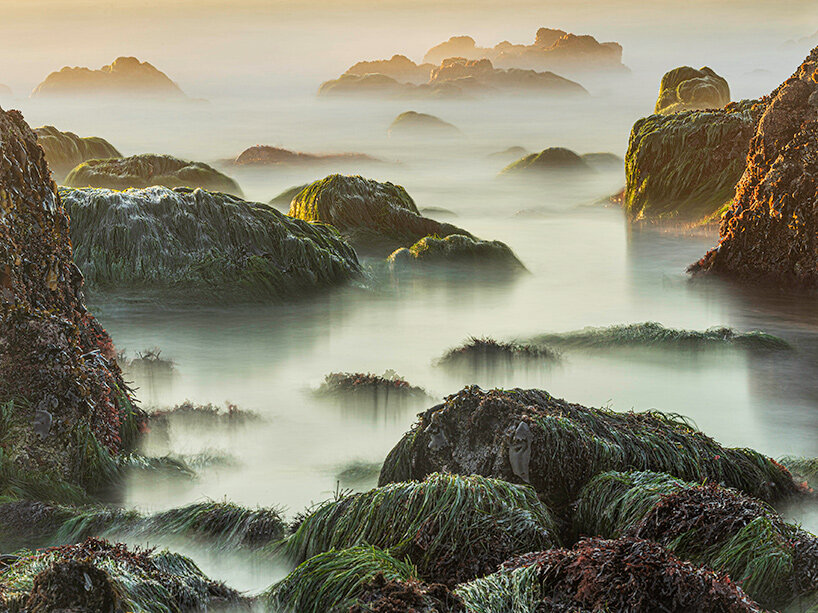
The project began in 2020, when Jon McCormack found himself returning to the same stretch of Northern California coastline during the COVID-19 pandemic. ‘With nowhere else to go, I started looking more closely at what was right in front of me,‘ the photographer recalls. Over successive evenings, he watched the tides rearrange stones and noticed how changing light altered the colors of familiar rock formations.
He had given himself a simple constraint: photograph the same small section of shoreline, whatever the weather or conditions. Gradually, the stones at his feet began to resemble miniature mountain ranges. Kelp traced contours similar to distant ridgelines, and patterns left in the sand recalled the forms of much larger dunes.
The experience changed his approach to landscape photography. ‘What fascinated me was discovering how similar patterns emerge at vastly different scales across the world,‘ he explains. As travel resumed, McCormack began seeking these connections elsewhere. He found them in the mineral deposits of East African lakes and deep inside Icelandic glaciers, where water creates extraordinary structures that continually change as the ice melts.
patterns repeat across scales
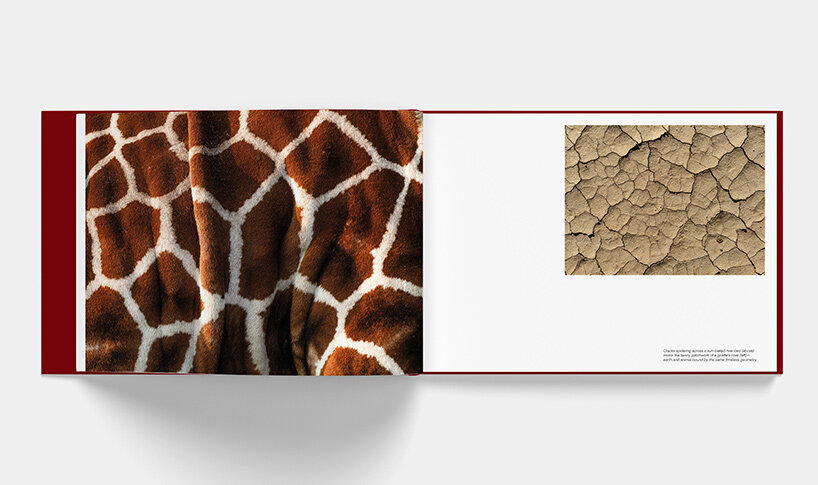
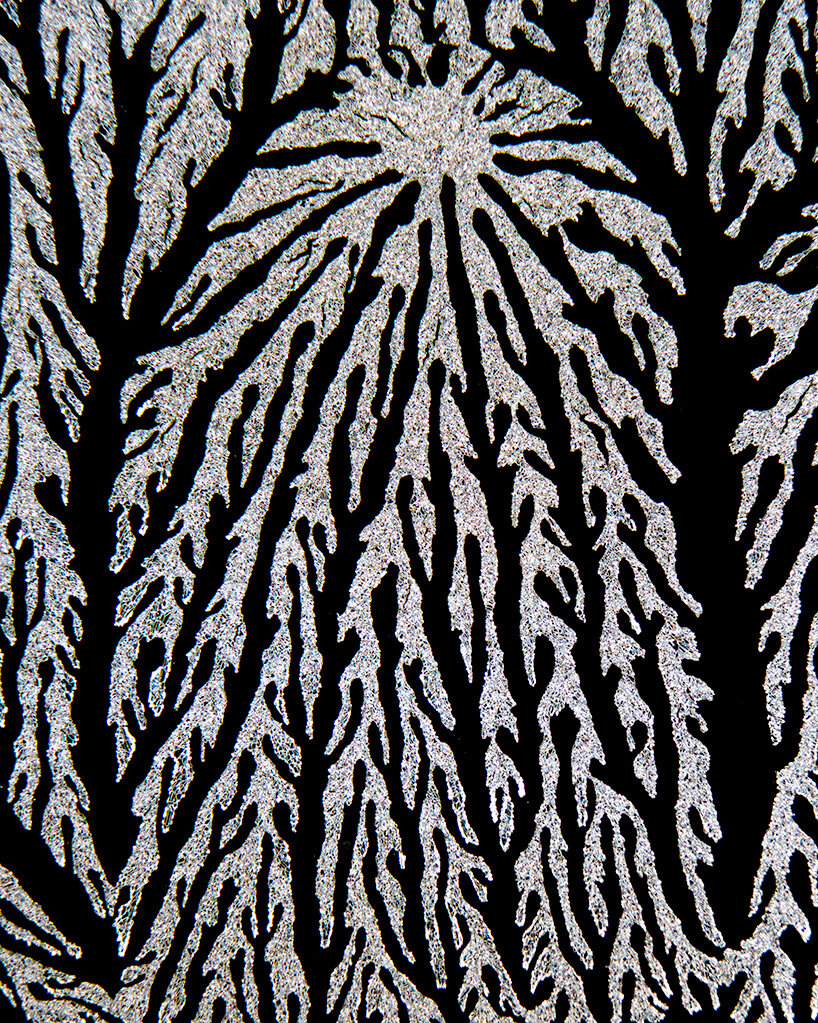
One of the most compelling pairings in Patterns places the patchwork markings of a giraffe beside the cracked surface of a dry riverbed. The two images share a similar network of irregular polygons, despite their very different origins. In another spread, crystallized caffeine viewed under a microscope forms delicate branching lines that resemble the stripes across a zebra’s forehead.
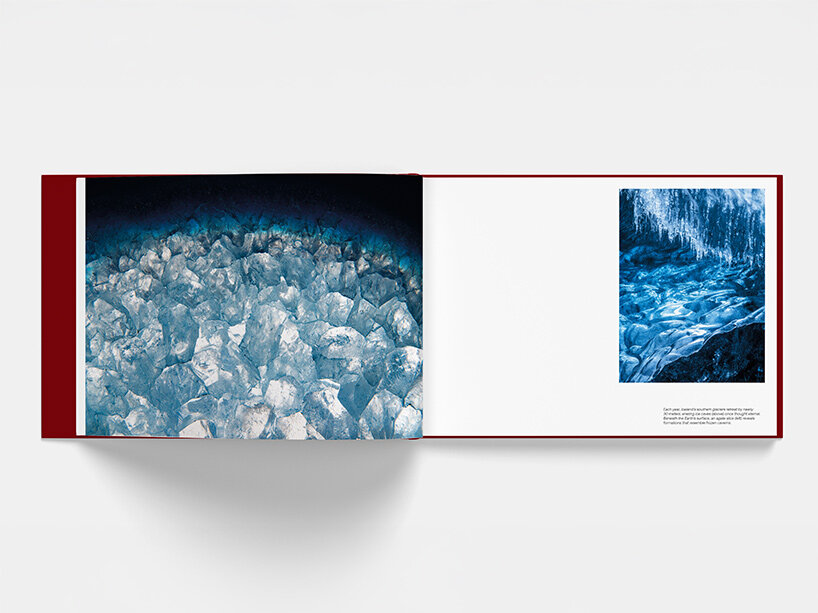
Jon McCormack finds visual relationships between mineral formations and glaciers. The crystalline interior of an agate slice resembles the fractured geometry of an ice cave, and the branches of a river delta recall the vascular structures of plants. These comparisons connect biological growth with the movement of water and the gradual accumulation of minerals.
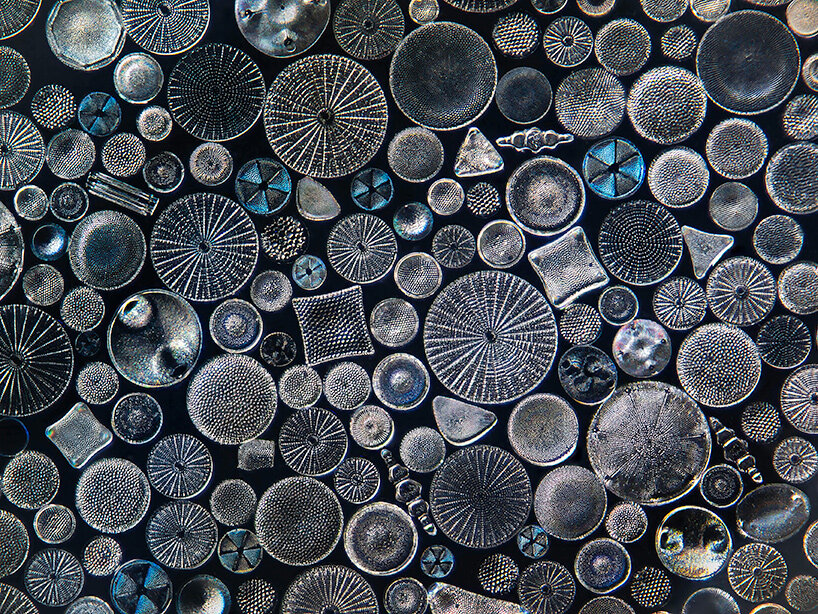
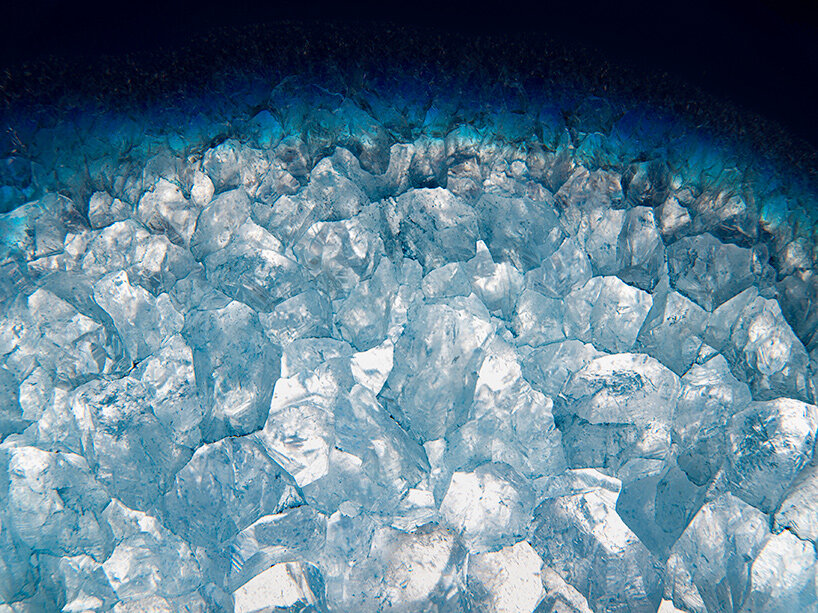
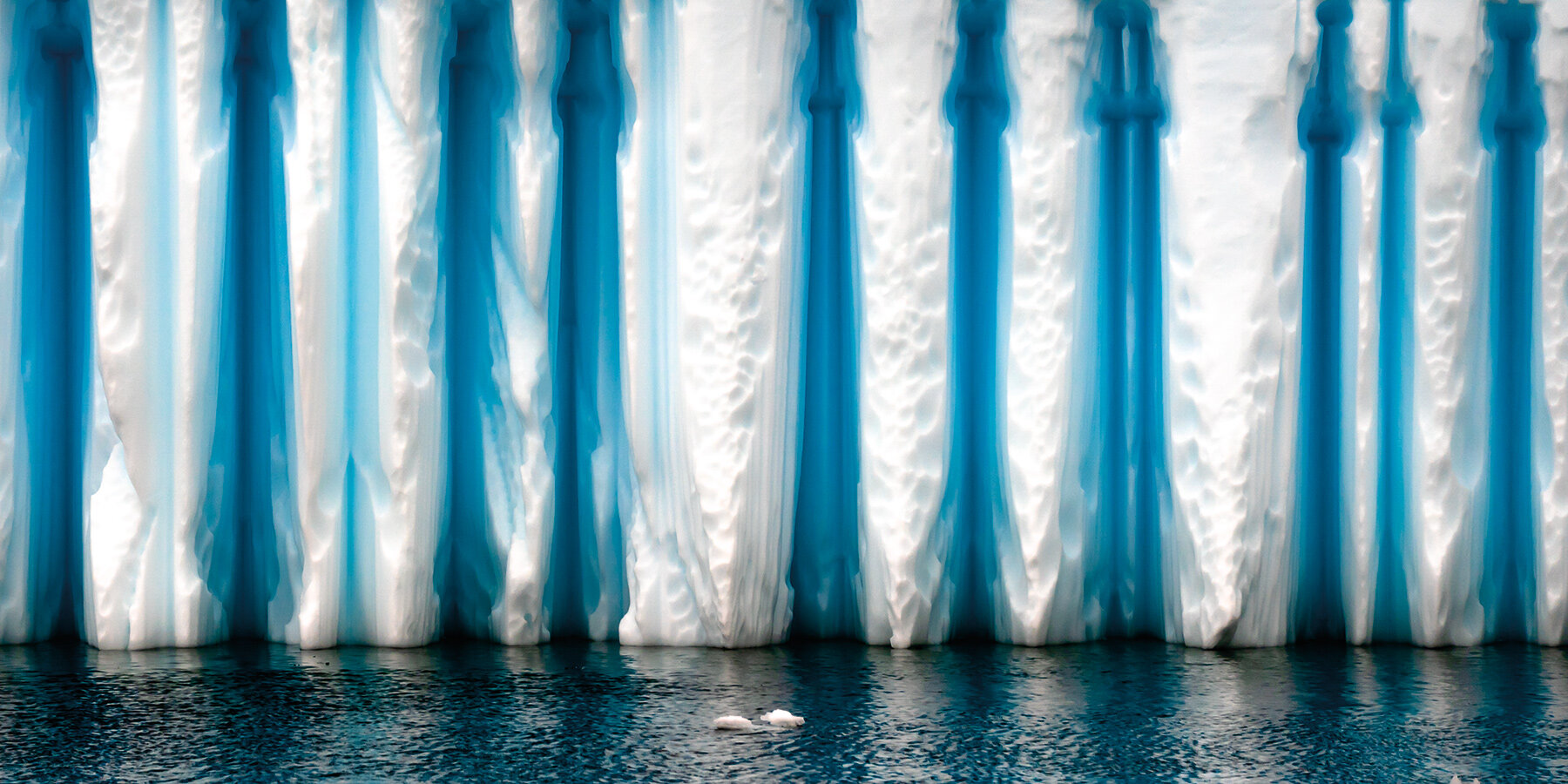
The similarities become especially fascinating when the processes behind them are considered. Some formations develop over millions of years, while others can disappear with the next tide. In an Antarctic photograph, deep blue ice emerges from an iceberg as its surface melts. Diatoms reveal intricately patterned silica shells at a scale invisible to the naked eye.
photography as a way to see and protect the natural world
For McCormack, photography makes these connections accessible by isolating details that might otherwise escape attention. ‘I believe the greatest gift photography offers is the ability to make people stop and look,‘ McCormack tells designboom. A familiar coastline can suddenly appear strange, or a microscopic organism reveals a complexity comparable to an expansive geological formation.
‘I want my photographs to create those moments, when someone looks at an image and asks, “What on earth is that?”‘ he continues. ‘That question is the beginning of a much deeper engagement with the natural world.‘ Alongside the photography, Patterns features essays by oceanographer Sylvia Earle, anthropologist Wade Davis, and conservation photographer Ami Vitale, among others. Proceeds from the book support Vital Impacts, the nonprofit founded by Vitale to advance conservation storytelling.
Although the photographs often resemble works of abstract art, McCormack considers conservation central to the project. ‘I believe that before we can persuade people to protect something, we have to help them fall in love with it,‘ he says. He hopes readers will close the book and begin recognizing extraordinary forms in their own surroundings, just as he did along that California beach. ‘Wonder is the beginning of care. And we protect what we have learned to notice.‘
1/7
project info:
name: Patterns: Art of the Natural World
artist: Jon McCormack | @jonmccormackphoto
publisher: Damiani | @damiani_books
publication: Spring 2026
conservation partner: Vital Impacts | @vital.impacts
This article is part of designboom’s POSTHUMAN UTOPIAS chapter, exploring what happens when humans are no longer the measure of all things. These stories rethink our relationship with the planet through interspecies architecture, living materials, regenerative landscapes and emerging technologies – learn more here! The chapter is presented in partnership with INDX|GLOBAL – a global cultural platform placing Indian architecture, design, and creative intelligence in conversation with the world.
Each designboom editorial series explores one theme in depth through projects, interviews, features and news across architecture, design, art and technology. Discover more chapters here, and get in touch if you’d like to submit a story through our submissions portal or contact form.
shop
your own online design shop — no sales commission collected